
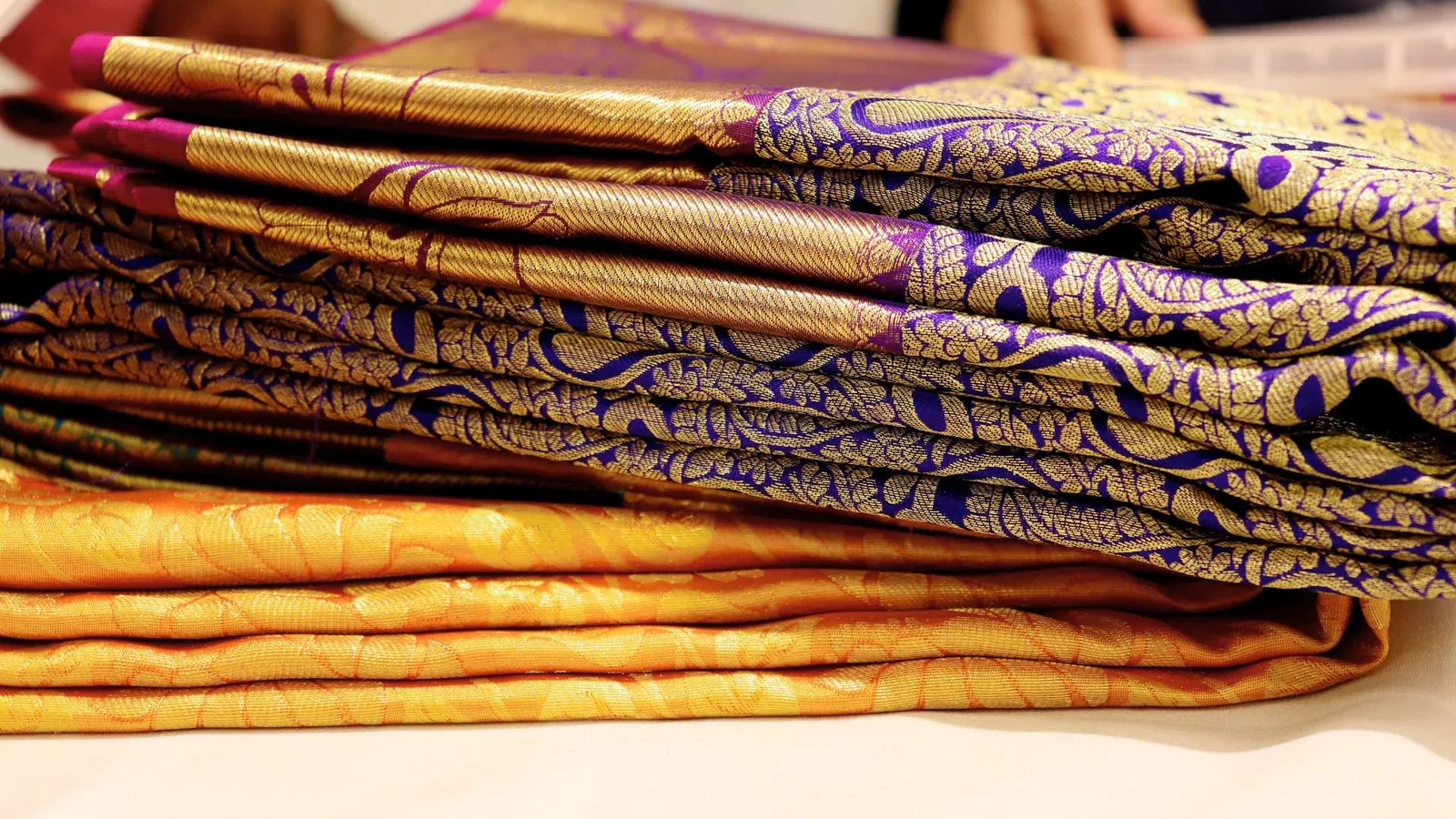
Short answer: Air a saree or lehenga out after wearing, blot (never rub) any stain, and store it clean in a breathable cotton cover, refolding every few months. Bring it in for professional cleaning after a wedding or festival, when a stain will not blot out, or before a big event. Martinizing in Flower Mound cleans them carefully, with free pickup.
Why These Pieces Need Extra Care
A saree or lehenga is often worn a handful of times and kept for years, sometimes passed down. Silk, georgette, zari and hand embroidery make them beautiful, and they also make them easy to damage. Metallic zari can tarnish or snag. Beads and sequins can loosen. Some silk dyes can bleed if they get wet the wrong way. A little care at home goes a long way.
After You Wear It
- Hang it somewhere airy for a few hours before folding so any moisture from the day can dry.
- Check for spots, especially near the hem, the pallu, the neckline and anywhere food or makeup might have touched.
- Look for loose beads or threads and set aside anything that needs repair.
If You Get a Stain
Blot gently with a clean, dry cloth. Do not rub, and do not reach for strong stain removers on silk or embroidery. Rubbing spreads the stain and pulls at threads, and harsh products can strip color or tarnish zari. Make a note of what the stain is so you can tell us when you bring it in. Oil, turmeric, wine and makeup are each treated differently.
Storing It
- Store clean. Stains you cannot see, like sweat or sugary drinks, can turn yellow or brown in storage.
- Use a breathable cotton or muslin cover. Plastic traps moisture, and Texas humidity makes that worse.
- Keep it away from direct light, which can fade silk.
- Refold it every few months so creases do not set in the same place.
- Store heavy lehengas flat or folded, not on a hanger, so the weight of the work does not stretch the fabric.
When to Bring It In
- After a wedding, sangeet, reception, festival or party, before putting it away
- When there is a stain you cannot easily blot out
- When it has been stored a long time and needs refreshing
- A week or two before a big event, so it is ready to wear
Home Care vs Professional Cleaning
At home |
Professional cleaning |
|
Airing and storing |
Yes, do this every time |
Not needed |
Small fresh spills |
Blot only |
Treated for the stain and fabric |
Washing the whole piece |
Risky for silk, zari and dyes |
Cleaned for the fabric and the work |
Before long storage |
Hard to get fully clean |
Recommended |
What We Do at Martinizing
At our Flower Mound Road plant we check embroidery, beadwork, zari and trim before cleaning, and handle each piece gently, separate from everyday clothes. Tell us about any areas you are worried about when you drop it off. Bring it to either Flower Mound store or hand it to our driver with your regular order. Pickup and delivery is always free.
Frequently Asked Questions
Can I wash a silk saree at home?
It is risky. Silk dyes can bleed and zari can tarnish. For anything valuable, professional cleaning is safer.
How should I store a heavy lehenga?
Clean, folded or flat in a breathable cotton cover, away from light. Avoid hanging heavy work for long periods.
How often should a saree be dry cleaned?
After it has been worn for an event, and before long storage.
Do you clean sarees in Flower Mound?
Yes. Martinizing cleans sarees, lehengas and silk garments at our Flower Mound Road plant.